



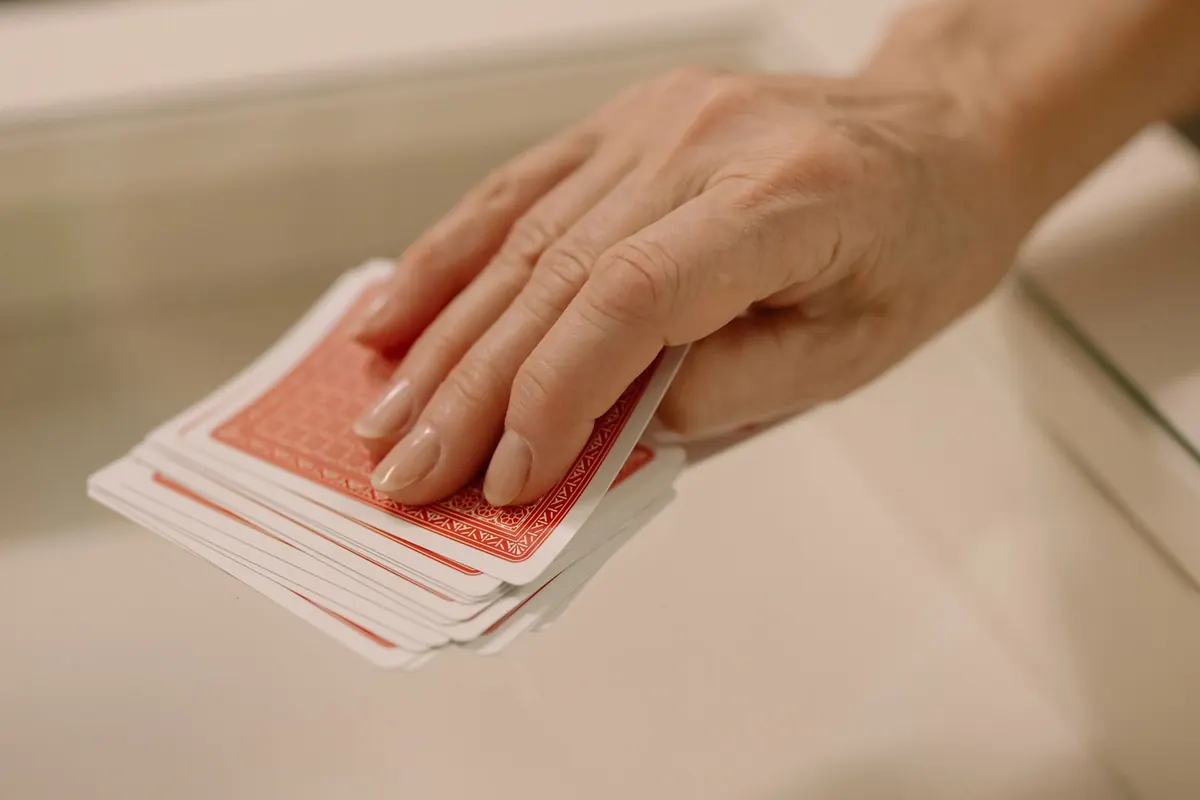
Eight tables, a hall, a few dozen boards and a director with a calm voice: that is all a real tournament needs. You do not have to fill a conference centre to run an event people remember and ask you to repeat. What you do need is a clear format, a fixed date, and a plan for the hour before the first board is played. Get those right and the rest is mostly tea and score slips.
Decide the Format First
The format settles almost everything else: how long the day runs, how many tables and boards you need, how you score, and whether a newer player can take part without being flattened.
Pairs, teams or something else
Matchpointed pairs is the easiest to fill and the easiest to score. One session of 24 to 27 boards fits neatly into an afternoon or evening. Teams of four suits players who prefer IMPs and longer matches; a small Swiss teams with six rounds of four boards makes a good half-day event. Individual events, where everyone changes partners every round, are sociable but harder to run and to score. Save those for a special occasion.
One session or two
Start with one. A single session plus a decent break is a tournament. Two sessions make a day of it, and that means a lunch plan, a longer hire period and a director with stamina. Write your decisions down before you publicise anything: date, venue, format, number of boards, start time, expected finish, entry fee, prizes.
Venue, Space and Kit
Most clubs run their own events on home ground, but a community hall or church hall works well too. Look for room to pull chairs out comfortably, good light, tolerable acoustics, parking, a kitchen, and step-free access if the building allows it.
- A table and chairs for every pair or team
- Enough duplicate boards, complete with cards — often two or three sets
- Bidding boxes, score slips and pens, or a tablet or laptop on each table
- A clock or timer, plus a bell, gavel or a voice that carries for announcing rounds
- Spare packs of cards, sticky labels and tape for last-minute repairs
- The movement written out for the number of tables you expect
Borrow before you buy. Neighbouring clubs will usually lend boards and bidding boxes for a day, and it is worth asking before you commit to spending club funds.
Appoint a Director and Settle the Scoring
Without a director, disputes get settled by whoever talks loudest, and that is the quickest way to lose half your entry next year. One trained director is enough for a club event. Their job is to keep play moving, rule on irregularities and protect the field.
If nobody at your club is trained, ask a nearby club or approach your national bridge union, which runs director courses. A qualified director will often travel for a modest fee plus expenses, and it is money well spent. Budget for it from the start rather than hoping someone will step in on the day.
Scoring
Matchpointed pairs is the standard for pairs events. Teams are normally scored by IMPs converted to victory points, though a friendly event can use a straightforward win/loss or total-IMP table. Use scoring software rather than doing arithmetic at ten in the evening, test it in advance with dummy results, and pin a provisional result sheet to the wall as soon as it is ready. Players will crowd round it either way, so give them something accurate to crowd round.
Entries, Publicity and the Money
Set the entry fee so it covers hall hire, the director, any kit hire, tea and biscuits, prizes, and a small surplus for next time. An event that merely breaks even looks generous and is hard to repeat; one with a little margin can become a fixture.
Publicise through your club noticeboard and website, weekly announcements, your local bridge association's calendar, and emails to nearby clubs. Ask your regulars to enter early — a half-full entry list attracts more entries than an empty one, so it is worth a few phone calls to get the first four or five tables committed. Keep a simple spreadsheet of name, partner or team, contact details and whether they have paid.
Two practical points. Set a closing date and a maximum number of tables, and state clearly whether you will take entries on the day. And keep a list of players looking for partners or teammates; if you promise to pair people up, do it by the night before and tell them who they are playing with.
On the Day: A Run Sheet
A tournament rarely fails during the play. It fails in the hour before it.
- Two hours before: tables out, boards on tables in the right order, bidding boxes checked, tea and milk sorted.
- One hour before: desk open. Take entries, collect fees, keep the master list current.
- Twenty minutes before: hand the director the final list so they can work out the movement and the number of boards.
- Before the first board: announce the format, rounds, boards, scoring, the break and where the loos are. Thirty seconds, no more.
- Start on time: late starts cost you a round later and annoy the people who arrived early.
- Take a proper break at the halfway point — long enough for a cup of tea, short enough to keep momentum.
- Announce the final round clearly, and remind players to check their scores and sign the slips.
- Collect slips as tables finish, score, and post provisional results.
- Announce the winners, thank people by name, and quietly ask two or three players what could be better next time.
Starting at the advertised hour makes an event feel professional. Players will forgive an awkward movement or a slow table; they rarely forgive being kept waiting before they have played a card.
Small Touches That Bring People Back
- A novice prize, or a prize for the best pair below a certain rank, so the same three pairs are not the only ones with something to play for.
- Prompt results: a provisional list on the day, then a full result and a short write-up by email within a day or two.
- Hand records or a printed sheet of the more interesting deals, if you can produce them without a fuss.
- The date of the next one, announced before anyone leaves the room.
Keep the First One Small
Six to eight tables, one session, a format you can score confidently: that is a successful first tournament. You can add a second session, a teams event or a separate novice section next year, once you know how long everything really takes.
Before you commit to a hall, check the hire agreement, insurance arrangements and any conditions the venue imposes, and if the money side amounts to more than a simple club fund, run it past your committee or treasurer. Then set the date, hand out the
Photo: Bruce Wayne / Pexels
Related posts
More stories you’ll love reading